Konopielka
Director: Witold Leszczyński
1981
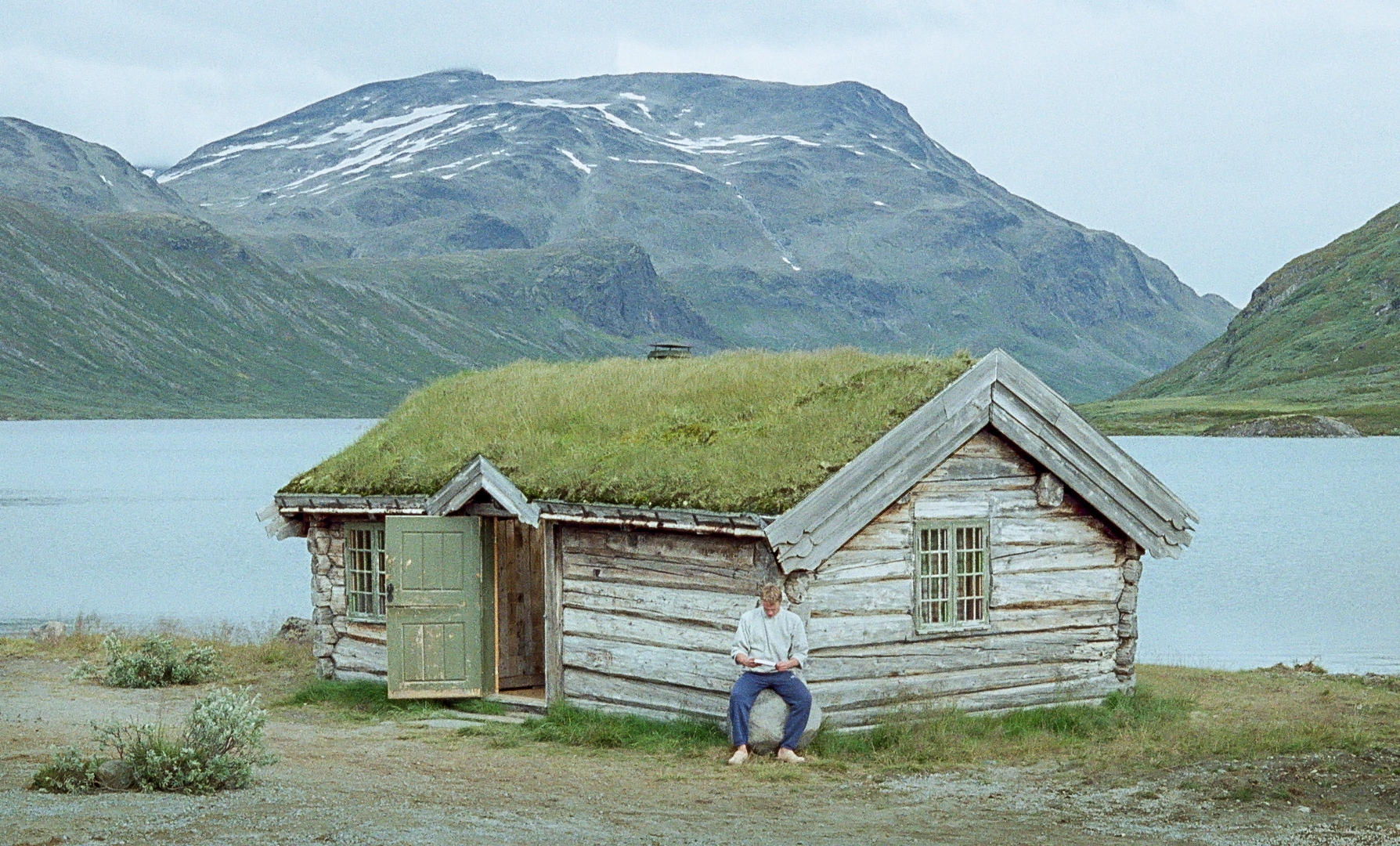
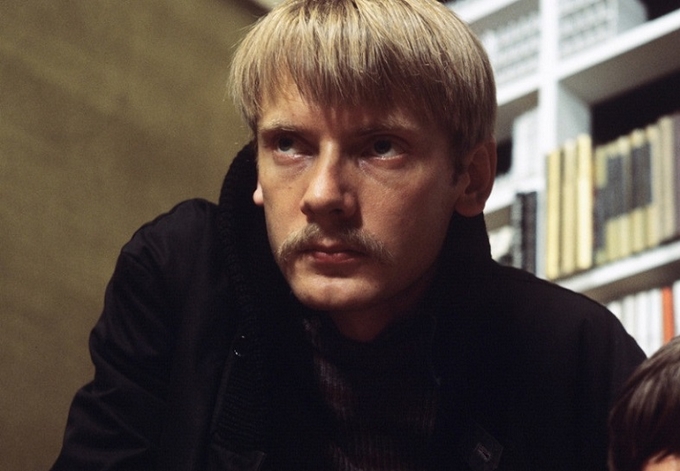
Kaziuk lives deep in the countryside, surrounded by family, animals, and the simple, peaceful rhythm of life. His days are spent working in the fields, caring for the animals, and enjoying the simple pleasures of everyday life. This tranquility is disrupted by the arrival of a young teacher from the city, who brings with her a completely different world—new customs, ideas, and unfamiliar emotions. Accustomed to the predictability of life, Kaziuk begins to waver between his attachment to old ways and fascination with the strange and unknown. He finds himself in conflict both with his own beliefs and with neighbors who do not understand his sudden decisions. His attempts to uncover a hidden treasure and confront ancestral rituals become a pretext for reflecting on what truly matters in life: tradition, family, or perhaps the freedom to choose and the courage to follow one’s own path. Witold Leszczyński’s adaptation of Redliński’s novel does not focus solely on the plot, but creates a poetic portrait of village life on the brink of change, showing how a person can be both a part of ancient customs and a witness to the birth of modernity.
social drama
Anna Seniuk,
Joanna Sienkiewicz,
Jerzy Block,
Marek Siudym